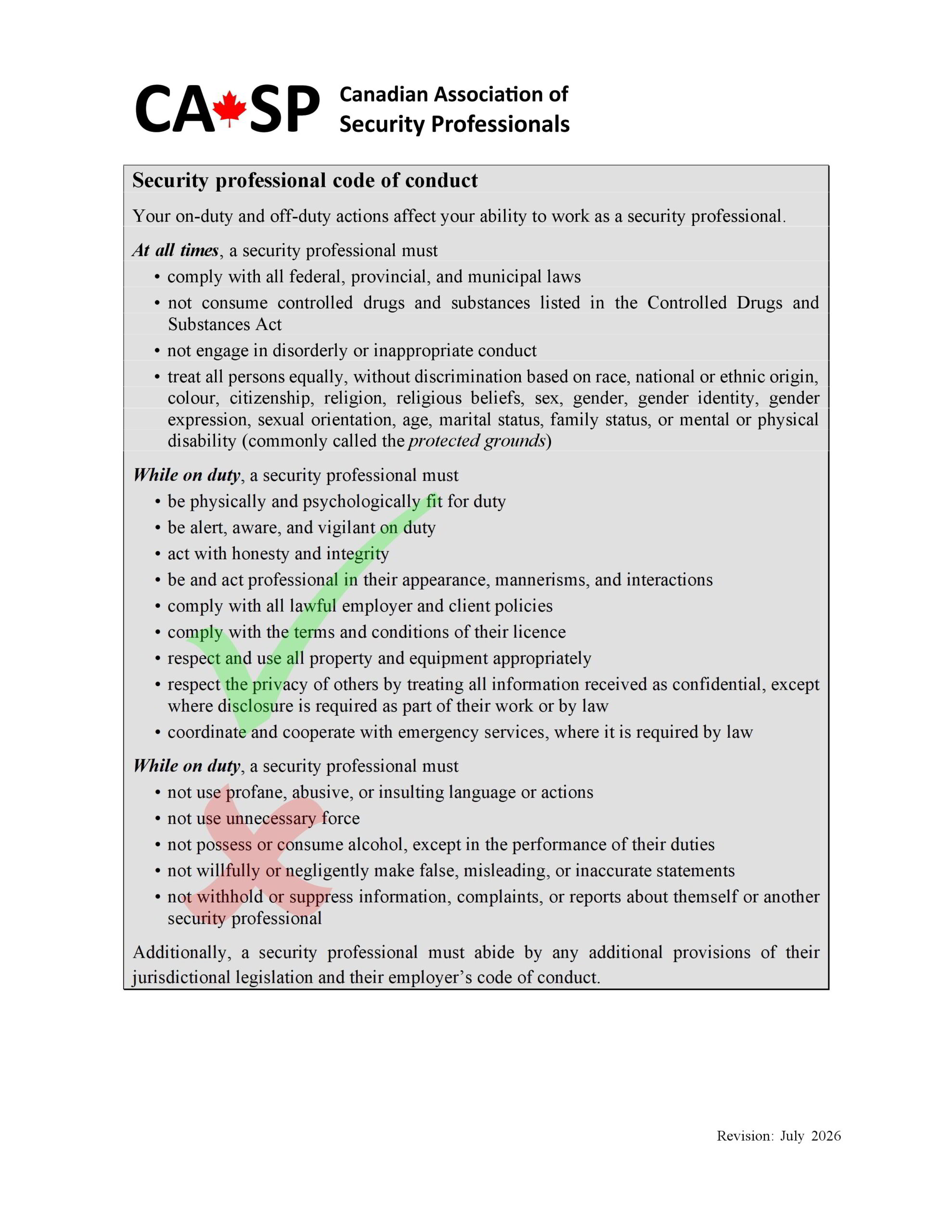
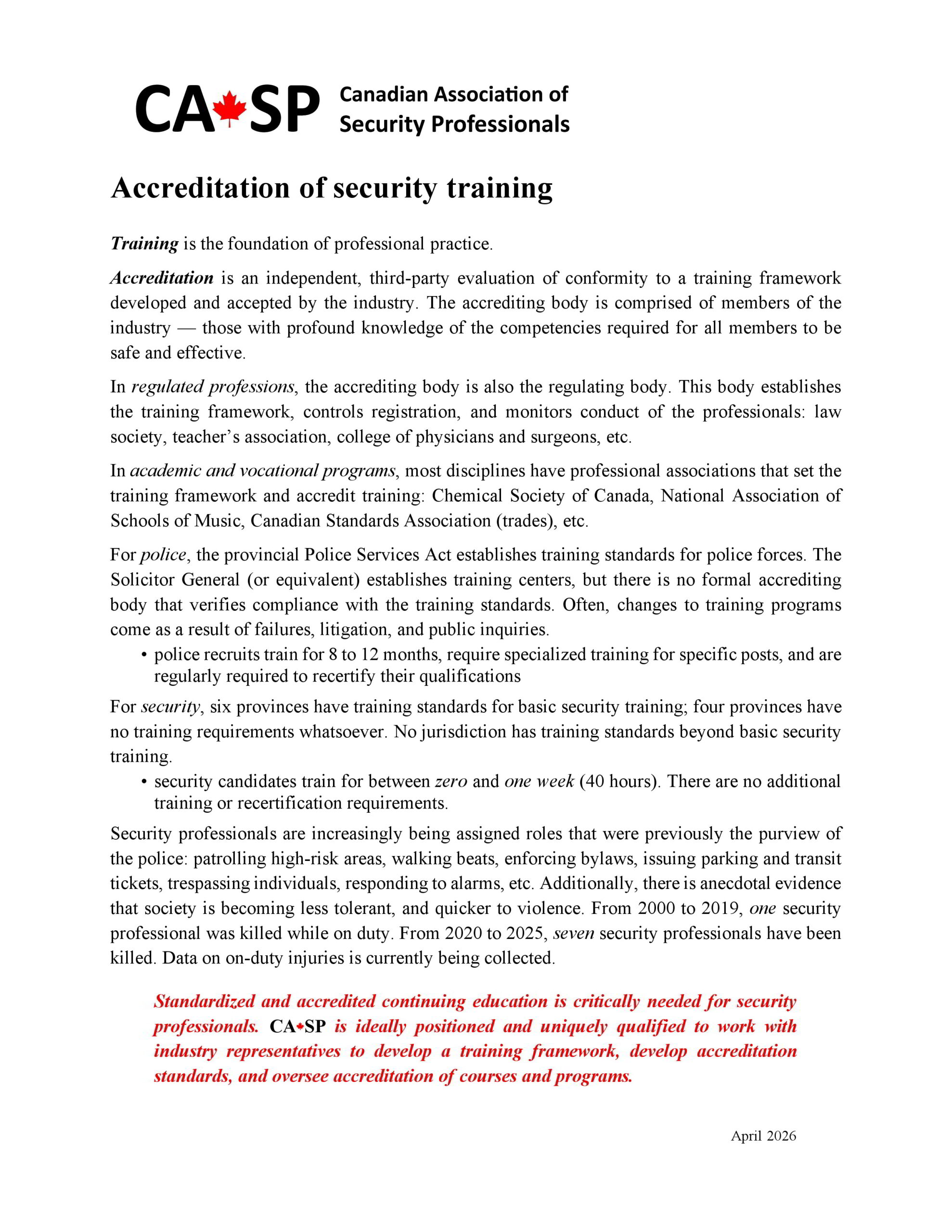
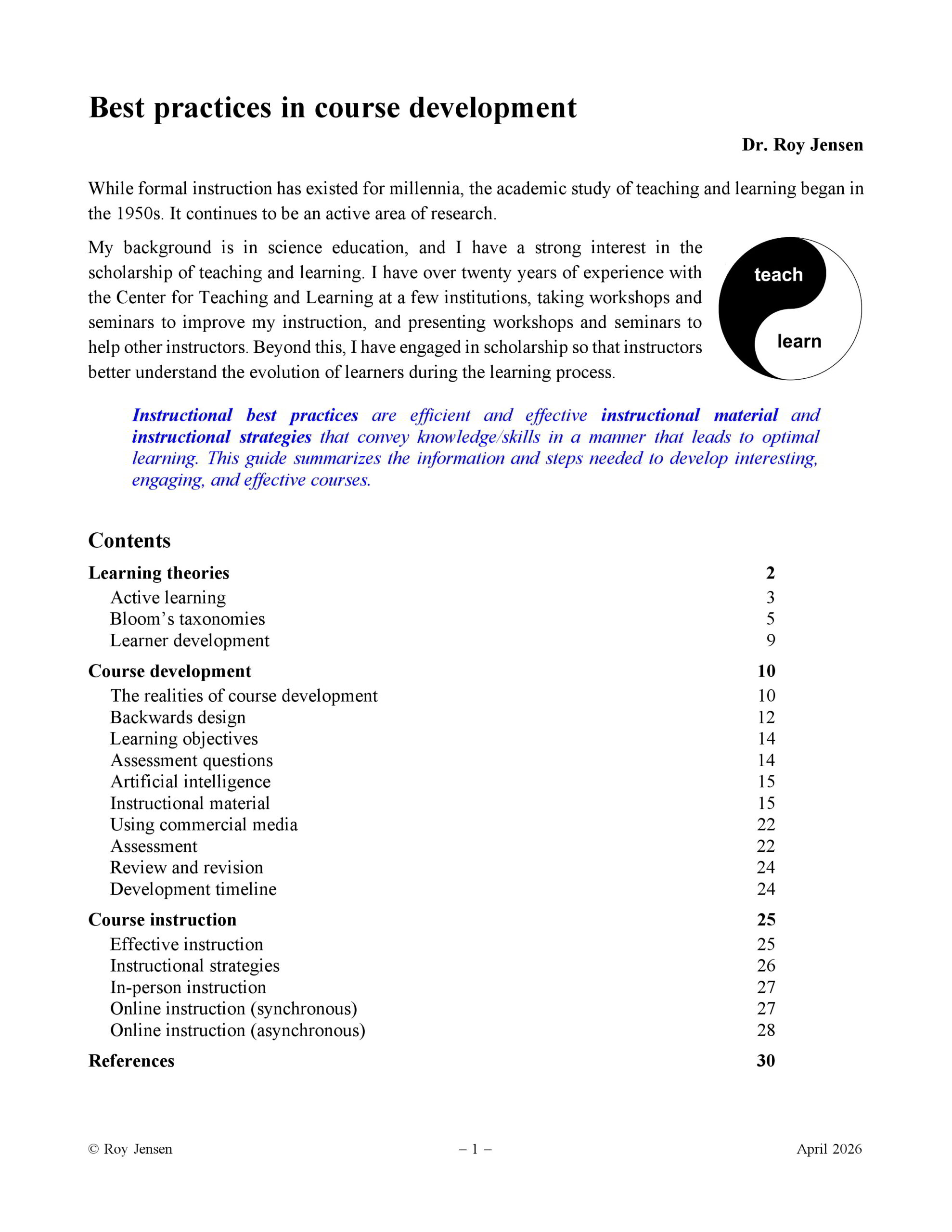
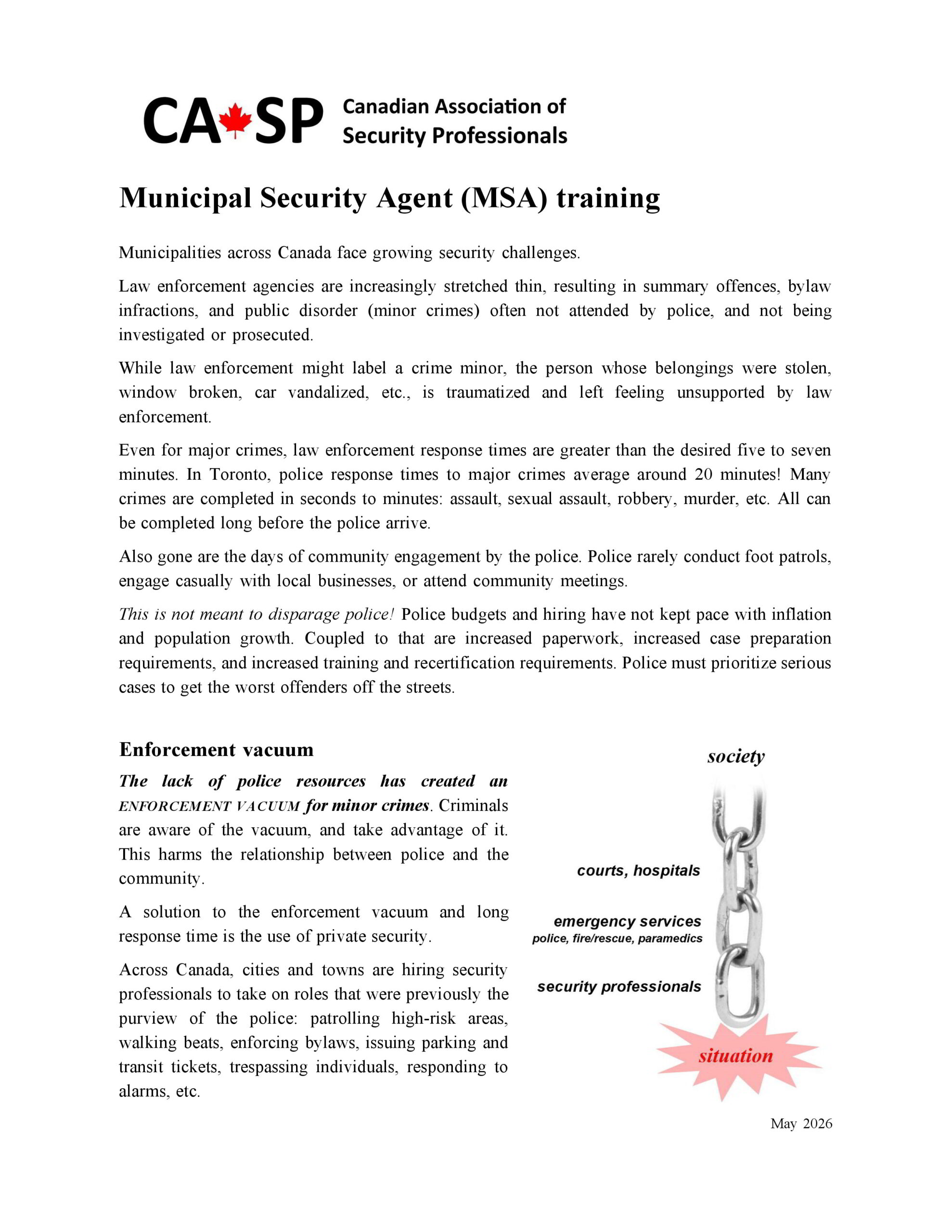
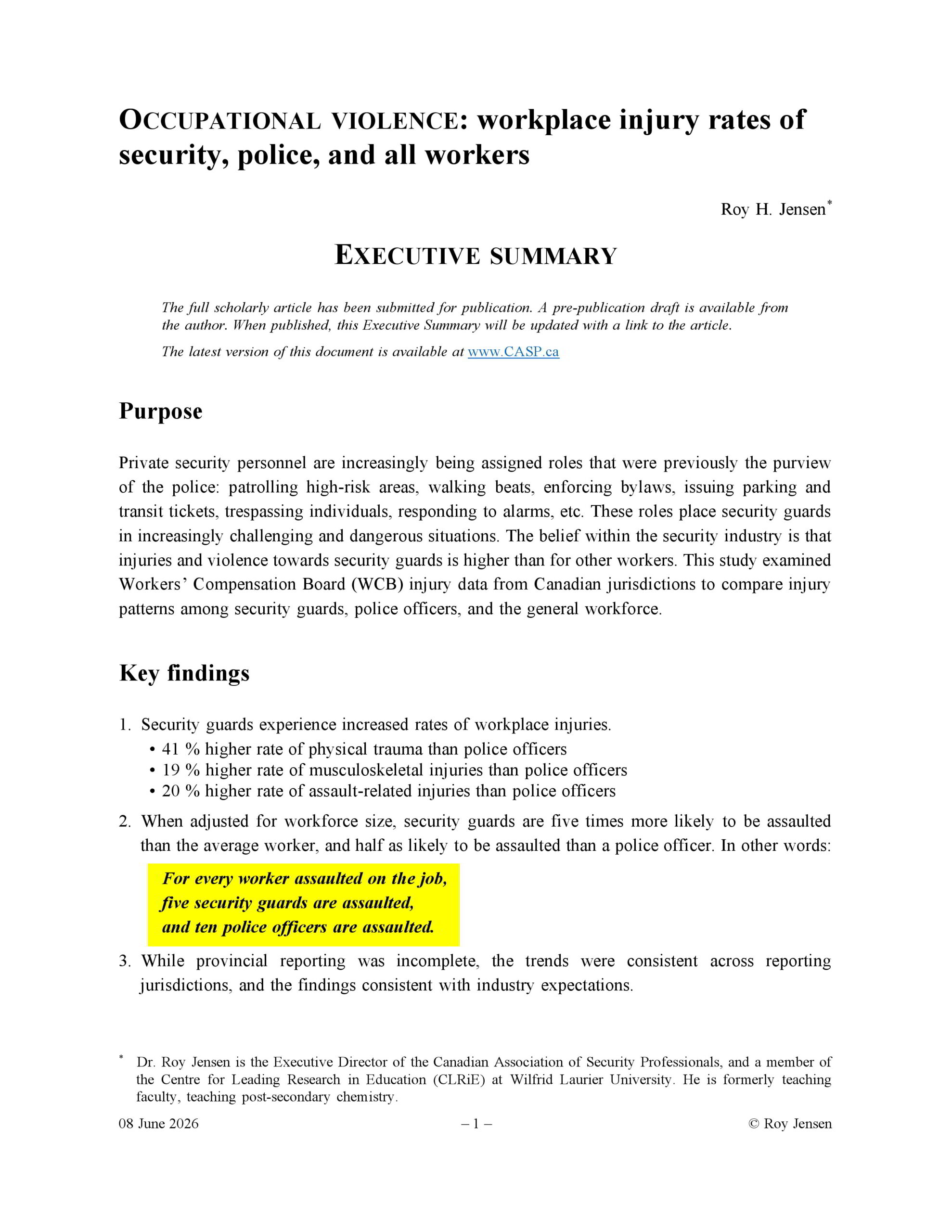
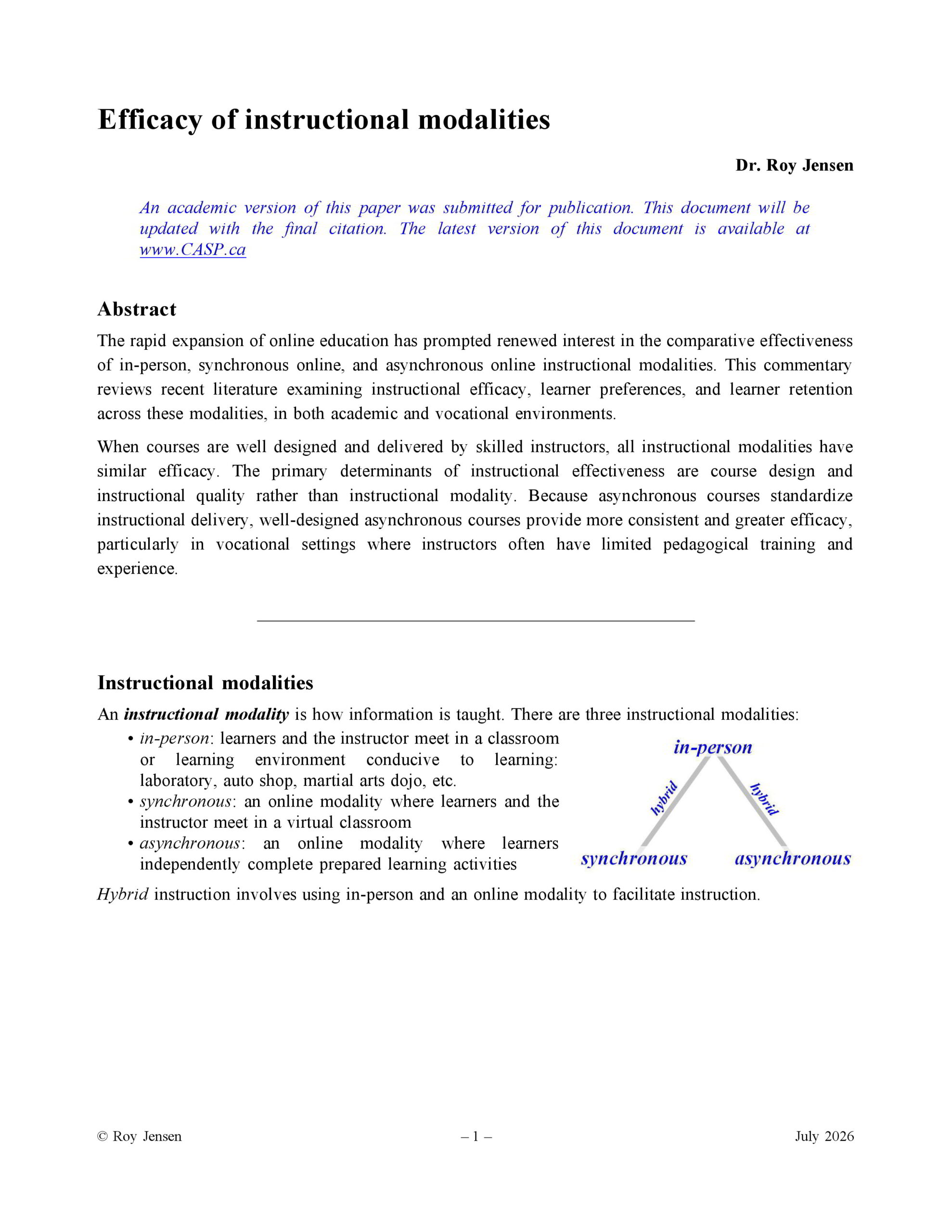
Publications CA🍁SP actively engages in research and in developing position papers related to professionalizing the security industry. This and related work is presented below. Security professional code of conductYour on-duty and off-duty actions affect your ability to work as a security professional. This Code of Coduct details the expectations of you by society, your employer, client, and the government. The enforcement VACUUMGovernment budgeting and increasing crime rates mean that minor crimes are not being dealt with. This article details the problem in society, how security are taking on the role of minor-crime enforcement, and how training is lagging these security professionals, creating hazards and liabilities. Rank and payAdopting a standard for rank and pay is an important part of professionalizing the security industry.This paper proposes and justifies a rank and pay structure that benefits security professionals, security employers, their clients, and society. Accreditation of security trainingAccreditation involves industry representatives establishing a scope and standard for training in that industry. Accreditation is critical for the security industry to professionalize, but there is currently no standard. CA🍁SP is ideally suited to create this standard. National basic security trainingRealizing that the roles and responsibilities of security professions is the same across the country and that people are free to move across the country, it is logical for the provinces to adopt a national basic security training (BST) program. It is also logical for BST to present information that is relevant to all security professionals.This paper proposes a basic security training program that benefits security professionals, security employers, their clients, and the public. Professionalizing security trainingIn-house training by security employers is hindered by competing interests: quality training vs low-cost security services. Poor training results in security professionals’ getting injured, killed, criminally charged, and civilly sued.This article explains why all security training should be conducted by independent third-parties. IFPO security professional competency modelThe International Foundation for Protection Officers (IFPO) has prepared a competency model for security professionals. CA🍁SP‘s training structure is homologous with IFPO’s competency model.CA🍁SP‘s in-service courses focus on knowledge and skill development in the personal effectiveness, academic, and workplace competencies.CA🍁SP’s post-specific courses focus on knowledge and skill development in the industry-wide technical and industry-sector technical competencies. IFPO career planning guideThe International Foundation for Protection Officers (IFPO) has prepared a comprehensive document that details the career of a security professional, and the important knowledge and skills to have at each level.CA🍁SP‘s training helps security professionals progress in their career. Best practices in course developmentWith over 20 years working with the Center for Teaching and Learning, Dr. Jensen has prepared a guide that explains course development and instructional best practices, and helps instructors create interesting, engaging, and effective courses for all instructional modalities. The state of the Canadian private security industry in 2024This scholarly article presents provincial and national data on the 2024 security industry. Data includes the number of licenses security professionals, the average career duration, and the industry growth. Anomalies and inconsistencies in the data are highlighted. Municipal Security AgentsMunicipalities are hiring security professionals to take over roles once held by the police. CA🍁SP supports this, but argues that security professionals need up to six weeks of additional training to be safe and effective in their roles. The liability falls on the security company and the municipality. OCCUPATIONAL VIOLENCE: workplace injury rates of security, police, and all workers[Executive summary] This study examined Workers’ Compensation Board (WCB) injury data from Canadian jurisdictions to compare injury patterns among security guards, police officers, and the general workforce. The primary result is that For every worker assaulted,five security guards are assaulted,and ten police officers are assaulted. PRESS RELEASE: New research estimates at least 20 security guards are assaulted every day in CanadaNew research by CA🍁SP estimates that at least 20 security guards are assaulted every day in Canada — more than 7,300 annually. Canada does not collect statistics on assaults against security guards, so researchers identified and used two independent methods. Each method has limitations, but both produced nearly identical results, and the limitations suggest that the actual number is substantially higher. Efficacy of instructional modalitiesThis article analyzes the factors affecting the efficacy of instructional modalities, and finds that well-designed asynchronous courses provide more consistent and greater efficacy, particularly in vocational settings.